Understanding the Risks of Neglected or Dead Trees in Your Yard
Structural Hazards Posed by Dead or Neglected Trees
Risk of Falling Branches
One of the most immediate dangers associated with dead or neglected trees is the risk of falling branches. Dead limbs lose their natural flexibility and strength, making them prone to breaking under their own weight, strong winds, or heavy snowfall. Even seemingly small branches can cause injuries or damage when they fall onto people, vehicles, fences, or outdoor structures. Homeowners should regularly inspect trees for cracked, loose, or hanging branches and consult a professional if any hazards are identified.
Full Tree Collapse
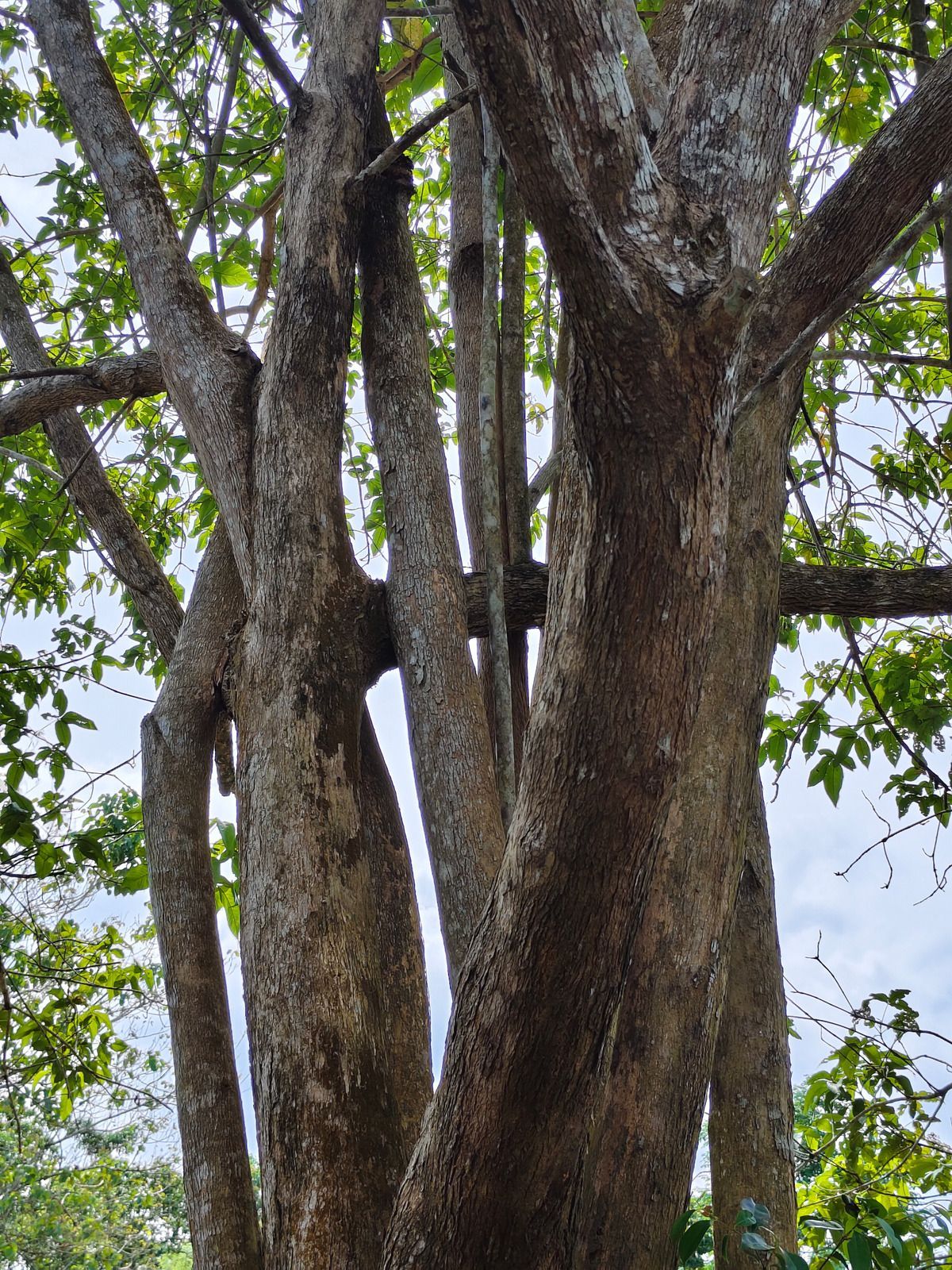
Neglected trees are often structurally compromised at the trunk or root level. Disease, rot, or insect infestation can weaken the internal framework, increasing the likelihood of a full tree collapse. This is particularly dangerous during storms or periods of high wind. Trees that lean noticeably or have a significant amount of dead wood are often indicators of instability. Homeowners are advised to monitor trees regularly and consider proactive removal to prevent accidents and property damage.
Case Example: Storm Damage
In suburban neighborhoods, storm-related tree damage is a common occurrence. A homeowner may assume that a tree that has stood for decades is safe, only for high winds or heavy ice accumulation to bring it down unexpectedly. Insurance claims from storm damage often cite dead or neglected trees as contributing factors, emphasizing the financial risks of ignoring tree health.
Environmental and Ecosystem Risks
Attraction of Pests and Disease
Dead and neglected trees can serve as breeding grounds for pests such as termites, beetles, and ants. These pests may not remain isolated and can spread to healthy trees, shrubs, or even nearby homes. Additionally, dead trees can harbor fungal infections that release spores into the surrounding environment, potentially affecting soil health and other vegetation. Homeowners should understand that a single neglected tree can become a source of wider ecological disturbance.
Impact on Surrounding Vegetation
Neglected trees do not just pose risks to humans and property; they also threaten other plants. For example, fungal infections can spread from a dying tree to neighboring trees, resulting in more extensive damage over time. Roots of decaying trees may also destabilize the soil, affecting nearby lawns and gardens. Maintaining healthy tree growth and promptly addressing dead or dying trees helps preserve the broader ecosystem within a residential landscape.
Best Practices for Prevention
Preventative measures include regular tree inspections, proper pruning, and soil health management. Consulting certified arborists for professional assessments can help identify early signs of decay, disease, or structural weakness. Proactive care not only minimizes environmental risk but also enhances the longevity and aesthetic value of the landscape.
Legal and Liability Considerations
Property Damage Liability
Homeowners may be legally liable for injuries or damages caused by neglected trees on their property. If a dead tree falls and damages a neighbor’s property, injures a person, or blocks public access, the property owner can be held responsible. Awareness of local ordinances and homeowner association rules is crucial, as many municipalities mandate the removal of hazardous trees.
Insurance Implications
Insurance policies often have specific clauses related to tree maintenance. Failure to maintain trees or address known hazards may lead to denied claims in the event of property damage or injury. Documenting tree care, maintenance, and professional consultations can provide evidence of due diligence, helping homeowners mitigate liability risks.
Real-World Scenario: Negligence Claims
Consider a scenario where a dead tree falls on a neighbor’s car during a windstorm. If the homeowner had previously observed significant decay and failed to act, the incident could be deemed negligence. Such cases highlight the importance of proactive tree management, not just for safety but also for legal protection.
Fire Risks Associated with Dead Trees
Increased Combustibility
Dead trees and dry limbs are highly combustible, creating a fire hazard for residential properties. In regions prone to wildfires or during dry seasons, neglected trees can significantly increase the risk of fire spreading to homes, outbuildings, or surrounding areas. Dead leaves, branches, and bark act as natural fuel, which can ignite easily under high temperatures or sparks from machinery or campfires.
Mitigation Strategies
Homeowners can reduce fire risks by removing dead trees, pruning excess limbs, and maintaining a defensible space around structures. Storing firewood away from living areas and regularly clearing debris also helps minimize combustible material on the property. In wildfire-prone regions, working with professionals to create fire-resistant landscapes is considered a best practice.
Health and Aesthetic Impacts
Decreased Property Value
Neglected or dead trees can significantly reduce curb appeal and overall property value. Prospective buyers often view dead trees as maintenance liabilities and safety risks, potentially lowering the marketability of a home. Maintaining healthy, vibrant trees enhances the visual appeal and perceived value of a property.
Allergens and Air Quality
Decaying trees can harbor mold, fungi, and pollen that may trigger allergies or respiratory issues. In particular, trees infected with certain fungi release spores that can be harmful to sensitive individuals. Keeping trees healthy and addressing decay promptly contributes to a healthier living environment.
Emotional and Psychological Effects
Landscapes with neglected or dead trees can have negative psychological effects. A yard that appears uncared for may contribute to feelings of stress or neglect, while a well-maintained landscape promotes a sense of well-being and pride. Regular tree maintenance, removal of dead trees, and thoughtful planting support both physical safety and emotional health.
Expert Recommendations and Best Practices
Regular Tree Inspections
Certified arborists recommend annual or semi-annual inspections to identify early signs of disease, decay, or structural instability. Key indicators include cracked bark, fungal growth, leaning trunks, dead limbs, and reduced foliage. Early detection allows for timely interventions that prevent accidents and property damage.
Pruning and Maintenance
Pruning is essential for both aesthetic and safety reasons. Removing dead or weak branches reduces the risk of falling limbs, improves sunlight penetration, and promotes healthy growth. Seasonal pruning and removal of hazardous branches are recommended practices for all homeowners.
Professional Tree Removal
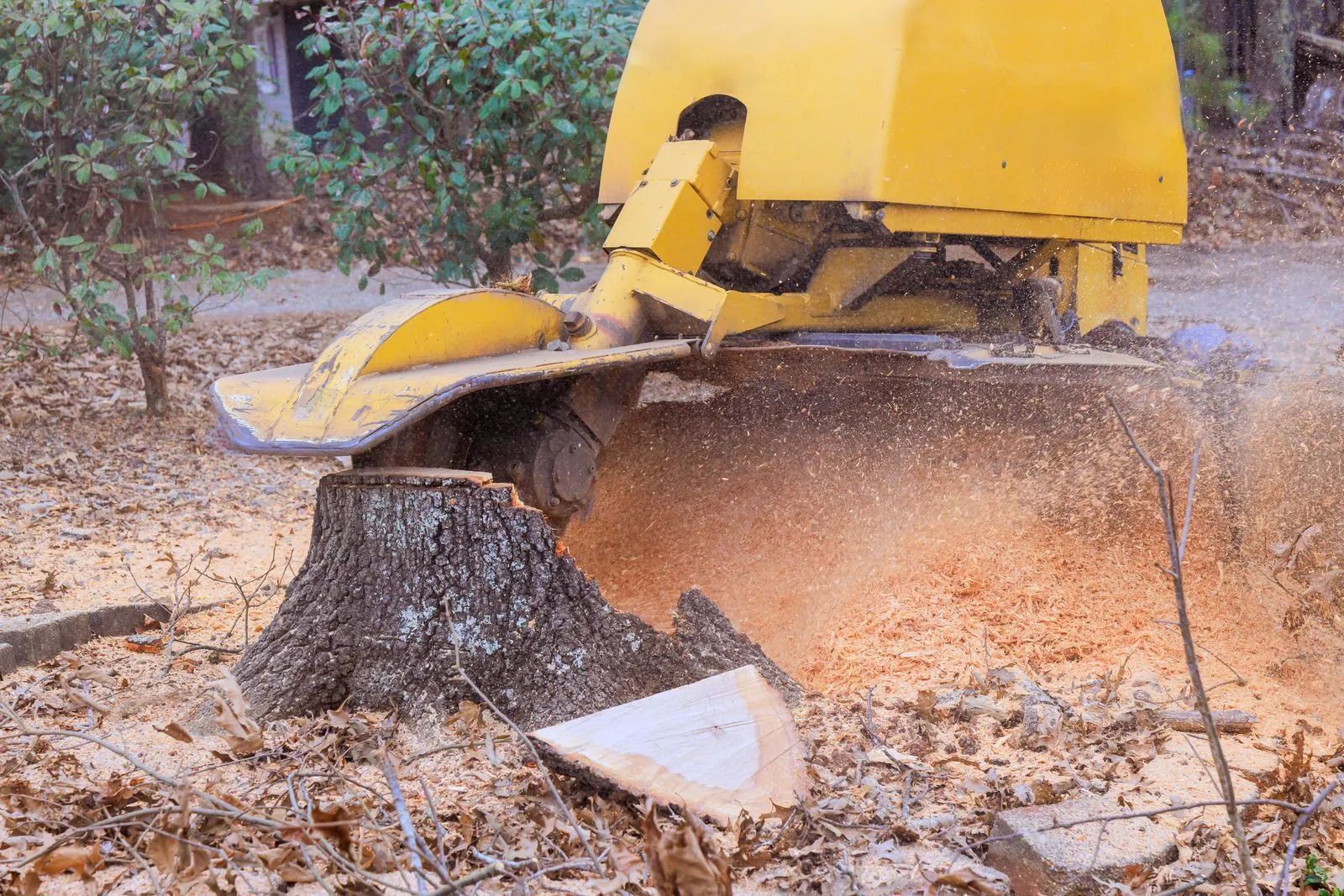
When a tree is beyond recovery, professional removal is the safest option. Arborists have the expertise and equipment to remove trees safely, minimizing risk to property and residents. DIY tree removal can be dangerous and may result in property damage, injury, or legal repercussions.
Soil and Root Management
Proper care of soil and roots is critical for tree health. Mulching, watering, and soil aeration help prevent disease and structural weakness. Avoiding soil compaction near root zones ensures trees receive adequate nutrients and stability, reducing the likelihood of premature decay.
Trusted Arborists Protecting Homes From Tree Hazards
Neglected or dead trees pose significant risks that extend beyond mere aesthetics. From structural hazards and pest infestations to fire risks and legal liabilities, the consequences of inaction can be severe and far-reaching. Proactive tree care, including regular inspections, pruning, soil management, and timely removal, is essential for maintaining safety, preserving property value, and supporting a healthy landscape ecosystem. Awareness and early intervention remain the most effective strategies for mitigating the risks associated with decaying trees. By addressing these concerns promptly, homeowners can prevent costly damages, protect their families, and ensure their outdoor spaces remain both safe and visually appealing.
For homeowners in Grantsburg, Wisconsin, trusting a
professional tree service
ensures that tree-related hazards are addressed safely and efficiently. JT Tree Service
brings 25
years of experience in assessing, maintaining, and removing trees to protect properties and enhance landscapes. Our team combines expertise, modern equipment, and industry best practices to identify risks early, perform safe removals, and implement preventive care measures. Beyond safety, our comprehensive approach also promotes the long-term health and beauty of your trees, helping to create a vibrant and resilient landscape. When it comes to safeguarding your home, yard, and family from the dangers of neglected or dead trees, JT Tree Service
stands as a reliable, experienced authority you can trust.