How Regular Tree Pruning Boosts Tree Health and Longevity
What Pruning Actually Does Inside a Tree
Pruning works because a tree spends energy on whatever it already carries, even the parts failing it. Every leaf and length of bark draws on the same water and stored sugars. Remove a dead, weak, or competing limb and you stop feeding a dead end, sending that energy back into the branches with a future.
The mechanism comes down to where you cut. A cut made just outside the branch collar, the swollen ring where a limb meets the trunk, lets the tree seal the wound with its own growth and wall off the area in a season or two. A flush cut or a torn stub does the opposite. It leaves an open door for fungus and insects to move into the heartwood. That one difference decides whether a cut heals or rots.
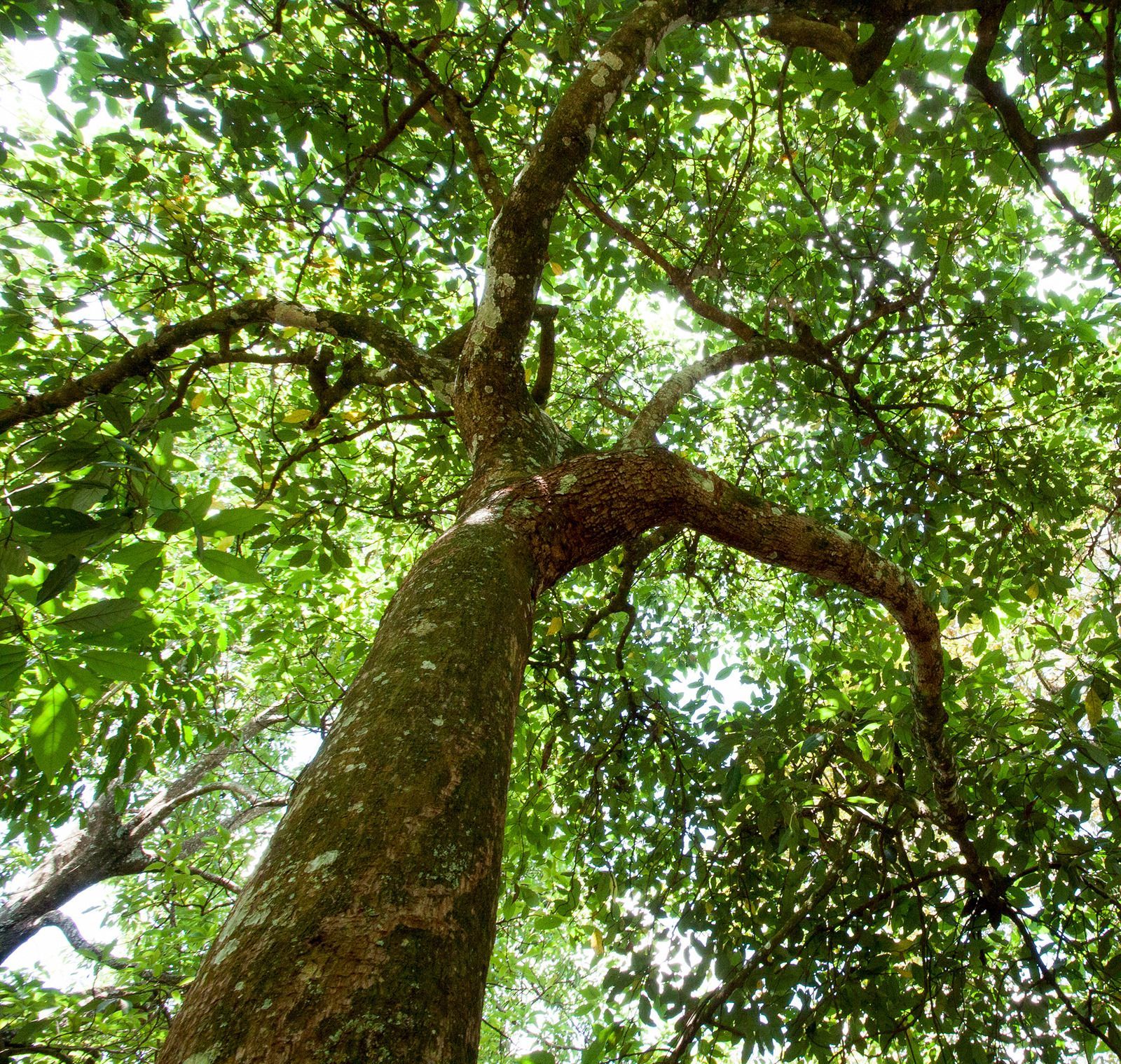
Good pruning also opens the crown to light and air. A crowded canopy traps moisture against bark, and damp bark through our humid summer stretches is where cankers get started. Thin it by fifteen or twenty percent and the inside of the tree dries faster after rain.
The Right Time to Prune in Northern Wisconsin
Timing matters more here than in most of the country, and oaks are the clearest example. An oak pruned in spring or early summer is an open invitation to oak wilt, a disease carried by sap beetles drawn to fresh cuts. We prune oaks in the dead of winter for that reason, once the ground freezes and beetles are gone. Cut an oak in June around Grantsburg and you can lose it, along with the ones tied to it underground.
Most other trees do best pruned in late winter too, while dormant. The wounds close before the spring push of growth, and you can read the branch structure with the leaves down. Burnett County winters hand us a long dormant window, one of the few gifts of the cold. Maples and birches may weep sap if cut late in that window, which looks alarming but rarely harms a healthy tree.
Storm damage is the exception. A cracked or hanging limb after one of our heavy wet snows does not wait for a season. That gets cut as soon as it is safe to reach.
Signs Your Tree Is Overdue
A few signs tell you a tree has gone too long without attention. Look up into the crown first. Bare branch tips while the rest leafs out point to dieback, and dead wood high up is what comes down first in a storm. Any dead limb thicker than your wrist, two inches and up, is heavy enough to dent a roof when it finally lets go.
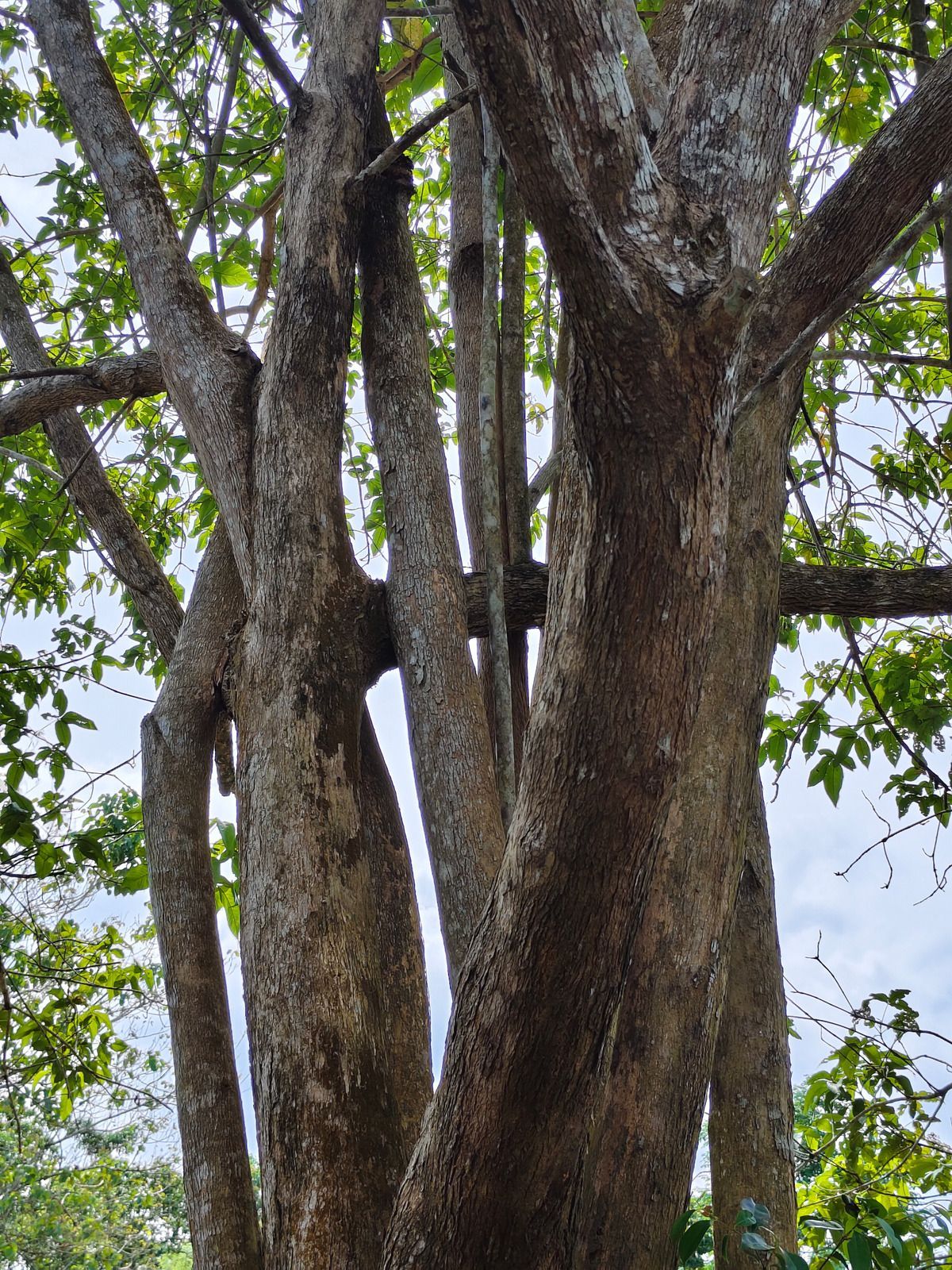
Watch the trunk next. A narrow, sharp V where two stems meet, a weak fork, splits under snow load far more often than a wide, rounded U. We see split forks across the area every spring once the snow comes off. If one of your shade trees holds half its canopy on a fork like that, it belongs near the top of your list. Crossing limbs that rub, and thin shoots firing straight up after stress, round out the picture.
How Regular Tree Pruning Adds Years to a Tree
Regular tree pruning is the difference between a tree that ages well and one that fails early. A young tree shaped over its first ten or fifteen years grows one strong central trunk and evenly spaced limbs, the structure that carries weight without splitting. Skip those early years and the tree sets habits you can manage later but never fully fix.
The payoff is physical. Every limb you remove before it dies is decay you keep out of the trunk, and decay is what hollows a tree from the inside over decades. We have taken down mature oaks and maples that looked fine from the road but were soft at the core, the result of small wounds left to rot for years. A few careful cuts a season, made early, would have changed that ending. A tree thinned a little every few years never needs the heavy cutting a long neglected one does, and a balanced tree in good health can stand in your yard for generations.
Mistakes That Do More Harm Than Good
The most common mistake we fix is topping, cutting the main branches back to stubs to make a tree shorter. It feels like a reset. It is the opposite. The tree answers with a burst of weak, fast shoots that are poorly attached and snap easily, and the big stub wounds rarely seal, so rot moves in behind the stubs. A topped tree is more dangerous in five years, not less.
Cutting too much at once is the next one. Strip too much canopy in a single season and you starve the tree of the leaves it needs to feed itself. We hold to a simple limit. Never take more than about a quarter of the living crown in one year, and less on an older or stressed tree.
WARNING: Never prune a branch near a power line, and never run a chainsaw from a ladder to reach a limb over your house. Branches under tension snap toward you, and a limb tangled in a line can carry current. Stay on the ground and call a professional.
TIP: Before you cut anything, stand back and study the whole tree for a full minute. Mark only the branches that are clearly dead, crossing, or hanging wrong, and start there. Most yard trees need far less cutting than people expect.
Frequently Asked Questions
How often should I have my trees pruned?
Most healthy shade trees do well with structural pruning every three to five years. Young trees benefit from lighter shaping every couple of seasons while the form sets, and fruit trees often need yearly attention to stay productive. We match the schedule to each tree's age, species, and overall condition, since no two trees grow at quite the same pace.
Can pruning ever kill a tree?
Yes, when it is done wrong. Topping a tree, stripping too much canopy at once, or cutting oaks during summer can each prove fatal over time, opening the door to decay and disease the tree cannot wall off. Done correctly and in the right season, pruning protects a tree, strengthens its structure, and almost never causes the tree lasting harm.
When is the best time to prune trees in northern Wisconsin?
Late winter, while trees are dormant and the snow is still down, is the safest window for most species growing around Grantsburg. Oaks especially should only be pruned in the cold months to avoid oak wilt, a disease spread by sap beetles drawn to fresh cuts. Storm damaged limbs are the one exception and need cutting as soon as possible.
Is it safe to prune large branches myself?
Small branches you can reach from the ground are fine for most homeowners working with a hand saw. Anything overhead, near a power line, or thick enough to need a chainsaw on a ladder is not, since limbs under tension can snap back hard and cause serious injury. For those heavier cuts, hire a trained professional crew every single time.
How long does it take a tree to recover after pruning?
A healthy tree begins sealing proper cuts within a few weeks, and the wound is usually walled off within one or two growing seasons. You will often see fresh growth push out the following spring as the tree balances itself. Heavy or poorly timed pruning takes much longer to recover from and can stress a tree for several full years.
Reliable Tree Experts Protecting Your Property and Trees
The whole point comes down to one habit: small, careful cuts made early beat big emergency ones every time, and a tree pruned on a schedule outlives one left alone. That matters more in our corner of Wisconsin than most places. Heavy wet snow, hard ice loads, and the threat of oak wilt mean a weak fork or dead limb that might hang on for years somewhere warmer tends to fail here in one season. At JT Tree Service, we have spent 25
years climbing, pruning, and caring for trees throughout Grantsburg, Wisconsin. If you have a tree that is overdue or carrying storm damage, reach out and let us look before the next storm finds it first.