Leaves Browning or Thinning in the Canopy? Tree Stress Signs
The whole point comes down to one habit: small, careful cuts made early beat big emergency ones every time, and a tree pruned on a schedule outlives one left alone. That matters more in our corner of Wisconsin than most places. Heavy wet snow, hard ice loads, and the threat of oak wilt mean a weak fork or dead limb that might hang on for years somewhere warmer tends to fail here in one season. At JT Tree Service, we have spent 25
years climbing, pruning, and caring for trees throughout Grantsburg, Wisconsin. If you have a tree that is overdue or carrying storm damage, reach out and let us look before the next storm finds it first.
Reliable Tree Experts Protecting Your Property and Trees
TIP: Before you cut anything, stand back and study the whole tree for a full minute. Mark only the branches that are clearly dead, crossing, or hanging wrong, and start there. Most yard trees need far less cutting than people expect.
How much this actually matters also depends on the species that came down. Trees with shallow, wide-spreading root systems leave a different footprint underground than trees with a single deep taproot, and a professional who's evaluated the site can usually tell you roughly how far the remaining roots extend before you commit to a plan. That's a more reliable starting point than guessing based on how large the stump itself looked above ground, since canopy size and root spread don't always scale together the way people expect..
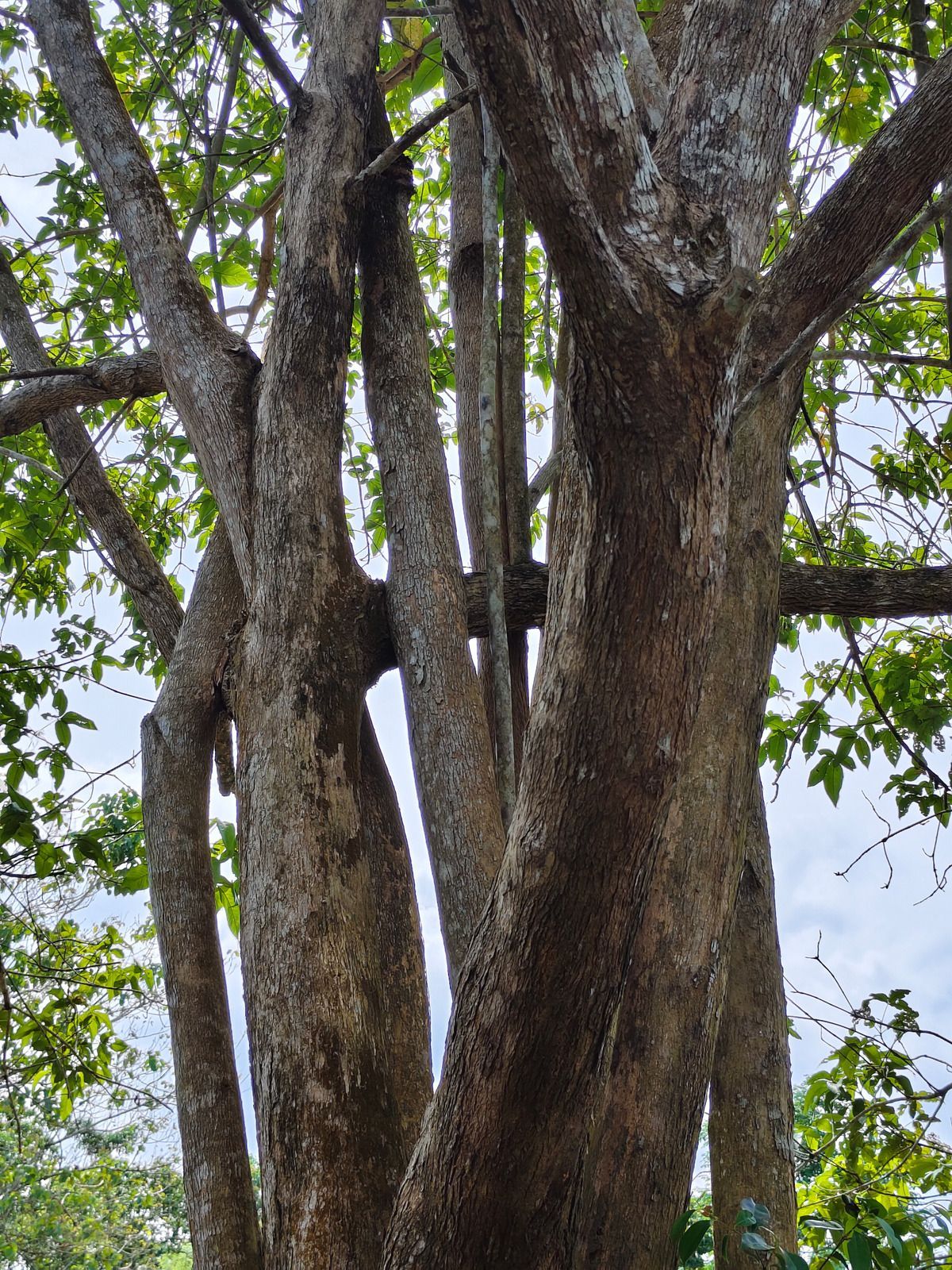
Quick Answer: A canopy that's browning or thinning is a tree telling you something is wrong below the surface, and the pattern matters more than the color. Localized dieback — a few dead branches next to healthy ones — usually points to a specific injury like root damage, storm breakage, or a canker. Overall decline across the whole crown, with smaller leaves and dieback spreading inward from the branch tips, usually points to a chronic problem in the root zone: compaction, drought stress, girdling roots, or saturated soil. Most trees that show early thinning can recover if the underlying cause gets addressed before the damage compounds. Trees with more than a third of their canopy already dead, or with dieback that's accelerated over a single season, need a hands-on assessment rather than a wait-and-see approach.
Decline vs. Dieback: Two Different Problems
Decline describes a whole-tree slowdown. Leaves come in smaller than normal, twig growth shortens year over year, foliage color fades to a dull yellow-green, and the crown thins evenly rather than in one obvious spot. Decline tends to build over several years and almost always traces back to something chronic in the root zone or soil — not a single injury.
Dieback is more localized. You'll see clearly dead, leafless branches sitting right next to branches that still look completely healthy. Dieback often starts at the outer tips of the crown and works inward, or it shows up on one side of the tree facing a specific stressor — the side nearest a driveway, a new patio, or a spot where equipment compacted the soil.
Root Zone Stress Is the Most Common Cause Around Here
More canopy thinning traces back to what's happening underground than to anything visible above it. Roots extend well beyond the trunk, and anything that disturbs that zone shows up in the crown months or years later.
Soil Compaction
Heavy equipment, parked vehicles, and repeated foot traffic compress soil, reducing the air spaces roots need for oxygen and water. As root function declines, the tree struggles to support healthy foliage, leading to gradual canopy thinning.
Grade Changes And Construction
Adding or removing soil, installing driveways, or trenching near established trees can disturb roots and interrupt water flow. Damage may remain hidden for months or years before gradual canopy thinning and branch dieback become visible.
Drought Stress
Fast-draining sandy soils combined with prolonged dry weather can leave younger or shallow-rooted trees without enough moisture. Drought stress often causes thinning along the crown's upper and outer edges, where moisture becomes limited first.
Saturated Or Poorly Drained Soil
Waterlogged soil can deprive roots of essential oxygen, weakening their ability to absorb water and nutrients. Low areas, redirected downspouts, and prolonged wet conditions may cause yellowing foliage, thinning canopies, and gradual decline.
Girdling Roots
Girdling roots grow around the trunk instead of spreading outward, gradually restricting vascular tissue as the tree grows. They can remain unnoticed for years, but eventually cause reduced growth, canopy thinning, and overall tree stress.
Insects, Cankers, and Foliar Disease
Once a tree's root system is under stress, it has less energy to fend off insects and disease — which is why pests and pathogens so often show up as a secondary problem rather than the original cause. A handful of the most common categories worth knowing:
Vascular Diseases
Fungal pathogens block water-conducting tissues, causing branches or canopy sections to decline suddenly. Symptoms can vary widely by tree species, with some diseases affecting numerous hosts while others target closely related trees.
Cankers
Cankers create sunken, discolored bark patches that restrict the flow of water and nutrients. Affected branches may die, but early removal can prevent the problem from spreading further through the tree.
Foliar And Needle Diseases
Leaf spots and needle casts can cause premature browning and foliage loss across branches. While often cosmetic initially, repeated infections can weaken trees, especially when they already face drought or other environmental stress.
Boring Insects
Boring insects tunnel beneath bark and damage tissues that transport water and nutrients. Look for sawdust-like frass, small emergence holes, or unusual bark damage, which can indicate an active infestation requiring closer inspection.
Two of the region's most consequential canopy-stress culprits — emerald ash borer in ash trees and oak wilt in the red oak group — deserve their own deep dive rather than a summary here, since the diagnosis and response for each is specific enough to matter. If your thinning or browning canopy is on an ash or an oak, it's worth ruling those out first before assuming a more general stress cause.
Weather and Site Conditions Specific to the St. Croix Valley
Trees in this part of Wisconsin and Minnesota deal with a particular combination of stressors that shows up in canopy health year after year.
Heavy Snow And Ice Loading
Wet snow and ice can bend, split, or break branches that appear normal afterward but suffered hidden structural damage. Dieback may become noticeable the following growing season when affected branches fail to produce healthy foliage.
Summer Dry Spells On Sandy Or Loamy Soil
Sandy and loamy soils can drain quickly, leaving trees vulnerable during prolonged summer drought. Trees may experience moisture shortages, reduced growth, and canopy thinning when dry conditions persist without adequate rainfall or supplemental watering.
Deer Rub And Rabbit Damage
Deer rubbing antlers against young trunks and rabbits feeding near the winter snowline can remove bark and girdle trees. When bark loss completely surrounds the trunk, water and nutrients cannot reach the canopy above.
Road Salt Exposure
Road salt from treated driveways, roads, and walkways can reach tree roots through runoff or foliage through spray. Salt disrupts water uptake, stresses roots, and can cause browning or thinning on exposed sides.
Wind Exposure
Trees growing on open, windy properties expend more energy developing structural support, which can limit canopy growth. When nearby trees are removed, previously sheltered trees may experience sudden wind stress and increased branch damage.
Tip: a few photos of a thinning branch or section of canopy now, and check back on the same spot in four to six weeks. Watching whether the thinning is holding steady, filling back in, or spreading tells you more about the underlying cause than a single snapshot ever will.
What a Canopy Assessment Actually Involves
Diagnosing canopy stress correctly takes more than a glance from the ground. A proper walkthrough starts at the base of the trunk, checking for a visible root flare, girdling roots pressed against the bark, cankers, or old mechanical damage. From there it moves to the soil — whether it's compacted, whether drainage looks off, whether there's been recent grading or construction nearby. The canopy itself gets checked branch by branch: where the dieback starts, whether it's spreading, whether leaves are undersized, and whether there's frass, exit holes, or fungal growth anywhere on the bark. Comparing this year's canopy density to what the tree looked like in past seasons — using old photos if you have them — helps separate a tree that's recovering from a tree that's still declining.
This kind of walkthrough is worth doing on any tree that's showing more than a small amount of dieback, and it's especially worth doing before deciding on a course of action, since treating the wrong cause wastes time the tree may not have.
When It's More Than a Wait-and-See Situation
Warning: A canopy that's lost more than about a third of its live foliage, or dieback that's clearly accelerated compared to last season, isn't something to monitor indefinitely. A tree in that condition has limited energy reserves left to fight off secondary insects or disease, and structural branches that have died back can become a falling hazard well before the rest of the canopy shows obvious decline. If you're seeing rapid, spreading dieback — especially combined with cracked bark, fungal growth at the base, or major limbs that failed to leaf out this spring — get the tree assessed rather than waiting another season to see what happens.
Trees that are still showing early or localized thinning, on the other hand, often have real recovery potential once the cause is identified and addressed. Correcting soil compaction, adjusting drainage, removing a girdling root while it's still manageable, or pruning out a canker before it spreads are all things that can turn a declining tree back around — but only if they happen while the tree still has enough reserve capacity left to respond.
Frequently Asked Questions
Can a tree recover after its canopy has thinned out?
Many trees can recover when thinning is caused by correctable problems such as drought, soil compaction, drainage issues, or localized injury. Early intervention improves recovery potential, while severe canopy loss makes regeneration more difficult.
How long does it take for a stressed tree to show improvement?
Some trees show better foliage color and growth within one growing season after the stressor is corrected. However, rebuilding canopy density and root mass can take several growing seasons, especially after prolonged stress.
Is canopy thinning always caused by disease?
No. Canopy thinning often results from drought, compacted soil, poor drainage, construction damage, or root problems. Insects and diseases can develop afterward when environmental stress weakens the tree and reduces its natural defenses.
Should I fertilize a tree with a thinning canopy?
Not before identifying the cause. Fertilizer will not correct girdling roots, compacted soil, drainage problems, or disease. In some cases, unnecessary fertilization can encourage growth that stressed roots cannot adequately support.
Why is one side of my tree’s canopy thinner than the other?
Uneven canopy thinning often indicates a localized problem, such as root damage, grading, construction, road salt, mechanical injury, or increased wind and sun exposure after nearby trees are removed.
Does canopy thinning mean a tree needs to come down?
No, canopy thinning does not automatically mean removal is necessary. Many stressed trees can recover when the underlying problem is corrected. Removal may become appropriate when decline is severe, recovery potential is low, or structural hazards exist.
Understanding Canopy Stress Before It Spreads
A thinning or browning canopy does not automatically mean a tree is beyond recovery. The pattern, progression, and condition of the surrounding soil can reveal whether the issue is temporary stress, localized dieback, or a deeper decline. Early attention gives roots and branches a better chance to recover before additional problems develop. With careful observation and the right diagnosis, many stressed trees can regain healthier growth and maintain a strong, functional canopy for years to come.
In Grantsburg, WI, JT Tree Service
brings 25
years of experience to understanding
tree health
across the St. Croix Valley. Recognizing subtle changes in foliage, branch growth, and canopy density can make a meaningful difference in how a stressed tree responds over time. Rather than focusing only on visible browning, looking at the entire tree and its growing conditions provides a clearer picture of what is happening and why. This approach supports healthier trees and more informed long-term property care.